Dextrose
Translated with AI.
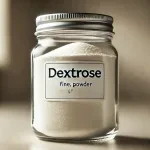
Dextrose
Dextrose is a versatile sugar for patisserie and ganache, contributing to flavour, texture and keeping quality.
-
What is dextrose?
Dextrose is a natural sugar chemically identical to glucose. It is obtained from maize or wheat and is less sweet than ordinary sugar (sucrose). In patisserie, it is often used as a subtle sweetener, but it also has distinctive properties ideal for particular uses in ganache and other products.
Dextrose is usually a powder, whereas glucose is usually available in liquid form.
Typical uses
Dextrose is widely used in ice cream, confectionery, pastries and ganaches. It plays an important role in improving texture and extending keeping quality. Its lower sweetness also suits recipes in which the natural flavour of other ingredients, such as chocolate, should take centre stage.
Why is dextrose used?
- Lower sweetness: with only 70% of the sweetness of ordinary sugar, dextrose maintains balance in recipes requiring less sweetness.
- Moisture retention: it attracts moisture and helps products stay fresh and soft for longer, particularly important for ganaches and other moist fillings.
- Promotes stability: it helps prevent crystallisation, giving ganaches a smooth, creamy structure.
- Flavour enhancer: it enhances the natural flavours of chocolate, fruit or other ingredients without standing out itself.
Use in ganache
When making ganache, dextrose can improve the balance of sweetness and keep the emulsion stable. It prevents drying out, which is essential for pralines that need to keep longer. It also maintains a creamy texture, even after several days.
These properties make dextrose a popular ingredient in professional kitchens and an essential tool for pastry chefs seeking perfection.