Soy sauce (Shoyu)
Translated with AI.
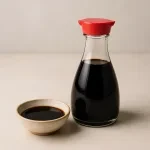
Soy sauce (Shoyu)
Soy sauce, called shoyu in Japanese, is a fermented sauce made from soybeans, grain, water and salt. It is one of the most important seasonings in Japanese cooking and is widely used in ramen, marinades and sauces.
- Soybeans
- Grain (usually wheat)
- Salt
- Water
- Fermentation cultures
What is it?
Shoyu is a fermented sauce that adds umami and saltiness to dishes. It is a centuries-old Japanese seasoning, similar to Chinese soy sauce but with its own character.
Uses in the kitchen
- Base for shoyu ramen
- As a marinade for meat and fish
- In dipping sauces for sushi, sashimi and gyoza
- As a seasoning in soups and stir-fries
Flavour profile
Salty, savoury, rich in umami, sometimes slightly sweet or malty depending on the variety.
Varieties and differences
- Koikuchi shoyu: the most commonly used dark soy sauce
- Usukuchi shoyu: a light, saltier variety
- Tamari: with a full soy flavour. Check the label to find out whether the product is gluten-free.
- Saishikomi shoyu: twice-fermented, complex and rich
- Shiro shoyu: light in colour, mild in flavour
What is the difference between Japanese and Chinese soy sauce?
Japanese soy sauce (shoyu) often contains wheat and has a rounder flavour. Chinese soy sauce is usually stronger and saltier.
Which soy sauce do you use for ramen?
Shoyu ramen usually uses koikuchi shoyu, the standard dark soy sauce.
Is soy sauce gluten-free?
Not always: most shoyu contains wheat. Check the label for tamari too; only assume it is gluten-free if this is stated on the product.
How long does soy sauce keep?
Unopened, for years. After opening, store it somewhere cool and dark, preferably in the fridge.
Where can I buy soy sauce?
Standard varieties are available in every supermarket. For authentic Japanese varieties, it is best to visit an Asian shop or order online.