Mirin
Translated with AI.
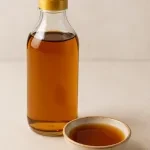
Mirin
Mirin is a sweet Japanese rice wine widely used as a seasoning in sauces, marinades and ramen broths. It adds sweetness, umami and a light shine to dishes.
- rice (glutinous rice)
- Aspergillus oryzae (koji)
- water
- rice spirit (shochu)
- sugar (sometimes)
What is it?
Mirin is a sweet Japanese rice wine produced by fermenting glutinous rice with koji and adding shochu, a rice distillate. This combination converts starches into sugars while retaining a low alcohol content. The result is a sweet seasoning rich in umami.
Uses in the kitchen
- In ramen broths to balance salt and sweetness
- As a base in teriyaki sauce
- In marinades for meat and fish
- To give vegetables and glazes a lovely shine
Flavour profile
Sweet, mildly alcoholic, rich in umami.
Varieties and differences
- Hon mirin: traditional, genuine mirin containing alcohol
- Shio mirin: mirin with added salt
- Mirin-fu chomiryo: a mirin-like seasoning, often alcohol-free
What is the difference between mirin and sake?
Sake is a Japanese rice wine for drinking or cooking. Mirin is sweeter, lower in alcohol and mainly used as a seasoning.
Can you replace mirin?
Yes, a mixture of sake and sugar can be an alternative. In an emergency, white wine with sugar can also be used.
What is mirin used for in ramen?
To balance the savoury flavours of broth and soy sauce with a touch of sweetness.
Does mirin contain alcohol?
Traditional mirin contains 10–14% alcohol, but varieties with less or no alcohol also exist (mirin-fu).
Where can I buy mirin?
In Asian supermarkets, some health food shops and online.