Aspergillus oryzae (Koji-kin)
Translated with AI.
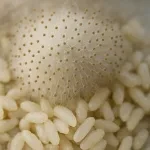
Aspergillus oryzae (Koji-kin)
Aspergillus oryzae, also known as koji-kin, is a mould that ferments rice, barley or soy and produces enzymes that break down starches and proteins. It is the key to miso, soy sauce, sake and mirin.
- Aspergillus oryzae (spores)
What is it?
Aspergillus oryzae is a beneficial mould used in Japan for more than 1000 years to ferment foods. By producing enzymes, amylases and proteases, it breaks down starches and proteins into sugars and amino acids → the source of umami.
Uses in the kitchen
- Fermenting miso (soybeans + rice/barley koji)
- Producing soy sauce
- Brewing sake and mirin
- In shio-koji, a marinade that tenderises meat and fish
Flavour profile
Not edible on its own, but its enzyme activity gives fermented products sweetness and umami.
Special features
- Considered a national mould of Japan (kokkin).
- Safe for consumption and traditionally cultivated.
Is Aspergillus oryzae safe?
Yes, this mould is completely safe and has been used for food in Japan for centuries.
What is koji-kin used for?
For producing miso, soy sauce, sake, mirin and shio-koji marinades.
Can I buy Aspergillus oryzae myself?
Yes, koji starters are available in specialist Asian shops and online.
What exactly does Aspergillus oryzae do?
The mould produces enzymes that break down starches and proteins, forming sugars and amino acids → the source of umami.
Is Aspergillus oryzae the same as the mould in natto?
No, natto is fermented with Bacillus subtilis, not Aspergillus.