Pectin
Translated with AI.
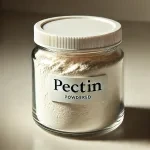
Pectin
Pectin – natural binding power
-
What is pectin?
Pectin is a natural fibre found mainly in fruit cell walls, such as those of apples and citrus fruits. It is a plant-based gelling agent used to bind liquids and create jelly-like structures. Pectin plays an essential role in making jams, marmalades, fillings and glazes.
Typical uses
Pectin is widely used in fruit preparations such as jam and jelly, as well as pastry products such as fruit ganaches and tart fillings. Depending on the type, it can work with or without sugar and acids.
Why is pectin used?
- Binding agent: it creates a firm structure in liquids, ideal for jams, jellies and fillings.
- Stability: it helps keep emulsions stable and prevents ingredients from separating.
- Natural: it is a natural, plant-based alternative to gelatine, popular with vegetarians and vegans.
- Versatile use: different types, such as high-ester and low-ester pectin, suit both sugary and sugar-free preparations.
How does pectin work?
Pectin activates in the presence of sugar and acid, such as lemon juice, to form a gel. Low-ester pectin needs calcium to create the bond. The type you choose depends on the recipe and desired texture.
Uses in patisserie
- Jam and jelly: for a firm consistency without crystallisation.
- Fruit ganache: helps maintain a smooth, stable texture.
- Tart glazes: creates a thin, glossy layer that retains moisture.
Pectin lets you refine the structure of your desserts and experiment with both traditional and innovative uses. Ideal for everything from classic jams to modern fruit fillings!